By Jody Godoy
Dec 5 (Reuters) – Netflix pitched its $72 billion acquisition of Warner Bros Discovery’s studios and streaming division as aligned with the priorities of President Donald Trump’s competition enforcers on Friday, but intense antitrust scrutiny is all but guaranteed amid bipartisan criticism.
Netflix on Friday pitched the deal as creating jobs and giving the company’s 300 million subscribers “more bang for their buck” by adding more content at a time when the administration is focused on affordability and lower prices for consumers.
Nevertheless, Republicans in Congress have warned of potential antitrust problems with Netflix absorbing HBO Max and Warner Bros’ content rights — and Democrats including U.S. Senator Elizabeth Warren criticised the transaction after it was announced on Friday.
“A Netflix-Warner Bros would create one massive media giant with control of close to half of the streaming market — threatening to force Americans into higher subscription prices and fewer choices over what and how they watch, while putting American workers at risk,” Warren said.
Both Warren and U.S. Representative Pramila Jayapal, who co-chairs the House Monopoly Busters Caucus, called the deal a “nightmare.”
“It would mean more price hikes, ads, & cookie cutter content, less creative control for artists, and lower pay for workers,” she said in a post on social media site X. “The media industry is already controlled by a few corporations with too much power to censor free speech. The gov’t must step in,” she added.
REPUBLICAN PUSHBACK
While Netflix won the bidding war for Warner Bros studio and streaming assets, it has been the political underdog compared with David Ellison-led Paramount Skydance, which has close ties with the Trump administration.
As the process played out, Republicans in Congress warned that a Netflix acquisition would reduce choice for consumers and give the company an unacceptably high share of the streaming market.
U.S. Senator Mike Lee, a Republican from Utah who leads the Senate antitrust committee, said Wednesday that a Netflix buy of Warner Bros Discovery’s streaming assets “should send alarm to antitrust enforcers around the world.”
“Netflix built a great service, but increasing Netflix’s dominance this way would mean the end of the Golden Age of streaming for content creators and consumers,” Lee wrote in a post on X.
Republican Senator Roger Marshall of Kansas and Representative Darrell Issa of California also called on U.S. antitrust enforcers last month to scrutinize the deal, saying it could lead to fewer movies in theaters.
ANTITRUST SCRUTINY
The deal, given its size alone, is likely to face significant antitrust review by the U.S. Department of Justice, and also because the addition of HBO Max’s 128 million subscribers to Netflix’s more than 300 million would create a formidable player.
That said, Netflix can point to shifting media habits and the fact that Alphabet’s YouTube has recently been the most popular way for Americans to watch TV.
“We’re highly confident in the regulatory process. This deal is pro-consumer, pro-innovation, pro-worker, it’s pro-creator, it’s pro-growth,” Netflix Co-CEO Ted Sarandos said after the deal was announced.
A DOJ spokesperson declined to comment on Friday.
George Hay, a law professor at Cornell University, said the review will depend on how much of the content market Netflix would control after the deal, and whether or not it could be addressed by a partial sale of some assets.
“Warner Bros has a lot of content already in the can. So you can imagine spinning off some of that content to another supplier, maybe a Paramount or something like that as a way of ameliorating or diminishing the market share,” he said.
The deal will likely trigger intense EU antitrust scrutiny due to the combined companies’ market share. The European trade body representing cinema trade associations and operators covering 39 territories UNIC on Friday said it will share its concerns and opposition to the deal with competition authorities in Europe and elsewhere.
RISING COSTS
The DOJ antitrust unit is led by Gail Slater, a former executive at Fox Corp and Roku. She was later an economic advisor to Vice President JD Vance.
Last month, Slater signaled that the “main thing” for her office is focusing on the average American’s biggest expenditures. Housing, transportation, food, healthcare and utilities lead the list, with entertainment in fifth place at 5% of household spend, according to a pie chart Slater posted on X.
But those costs have been rising. Netflix raised the price of its own standard ad-free plan by $2.50 to $17.99 a month in January. HBO Max followed suit, raising its ad-free service price last month by $1.50 to $18.49.
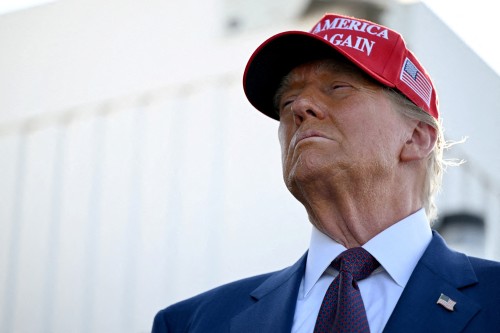
President Donald Trump has a history of getting involved in big media mergers and weighing in on one side. He actively lobbied the DOJ in his first term to stop AT&T’s $85 billion purchase of Time-Warner, voicing concerns about media concentration and his own displeasure with Time-Warner’s CNN cable network. AT&T ultimately won in court in 2018 and 2019.
Warren warned on Friday against political favoritism tainting the deal review process.
“The Justice Department must enforce our nation’s anti-monopoly laws fairly and transparently — not use the Warner Bros. deal review to invite influence-peddling and bribery,” she said.
(Reporting by Jody Godoy in New York, Foo Yun Chee in Brussels and Harshita Mary Varghese in Bengaluru; editing by Chris Sanders, Franklin Paul, Nick Zieminski and Chizu Nomiyama )